A culinary journey through 5,000 years of flavor โ from Sichuan fire to Cantonese finesse
China's vast geography gives rise to eight distinct culinary traditions, each with its own personality
These are the dishes that will define your Chinese food experience
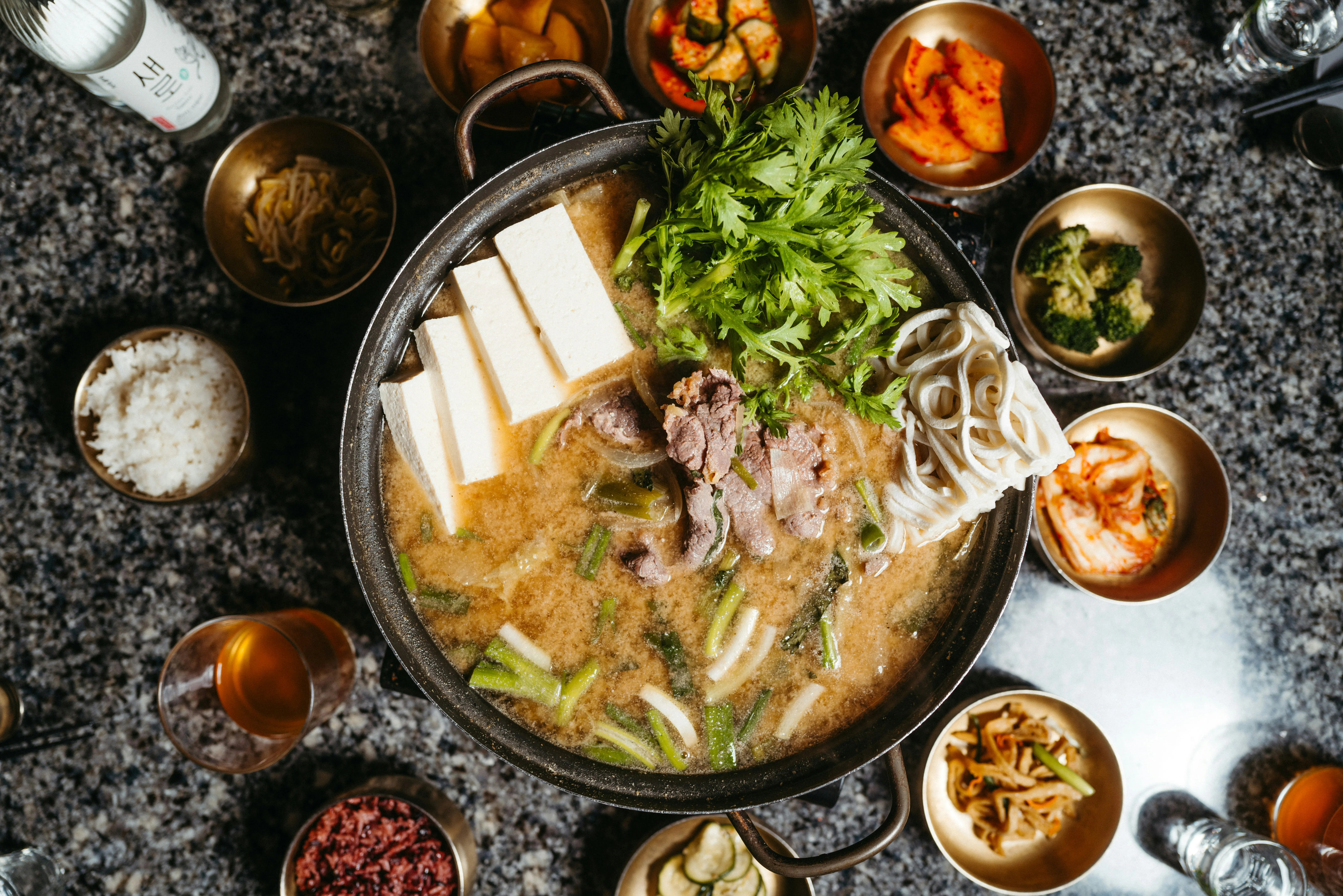
More than a meal โ hotpot is a social ritual. Gather around a bubbling pot of broth, dip fresh ingredients, and cook together. From Sichuan's fiery mรกlร to mild Cantonese-style, every region has its own version.
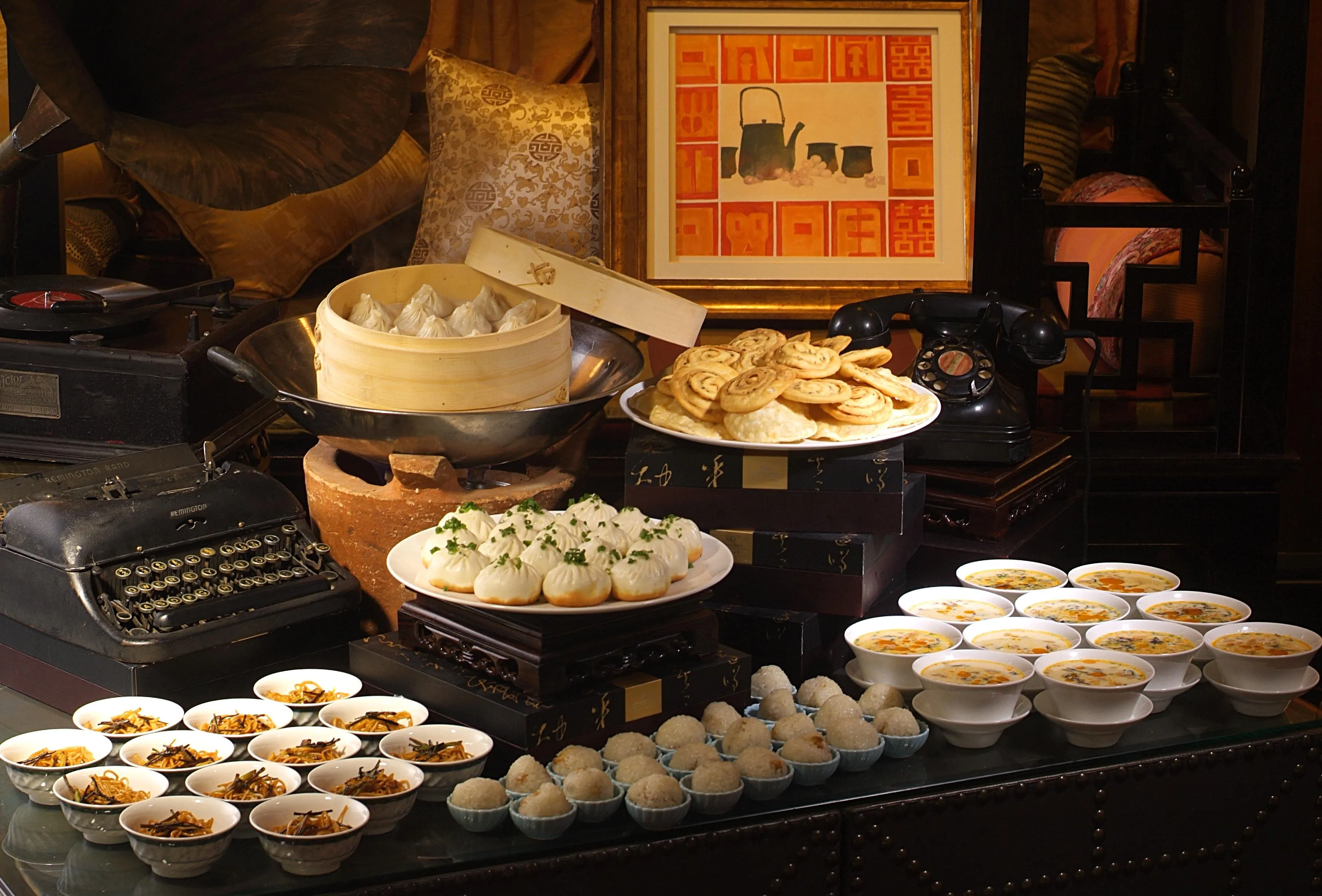
Delicate soup dumplings with thin, translucent skinๅ ่ฃนing hot, savory broth and tender pork. The art is in the technique: pinch, fold, and steam to perfection. One bite and you'll understand why people line up for hours.
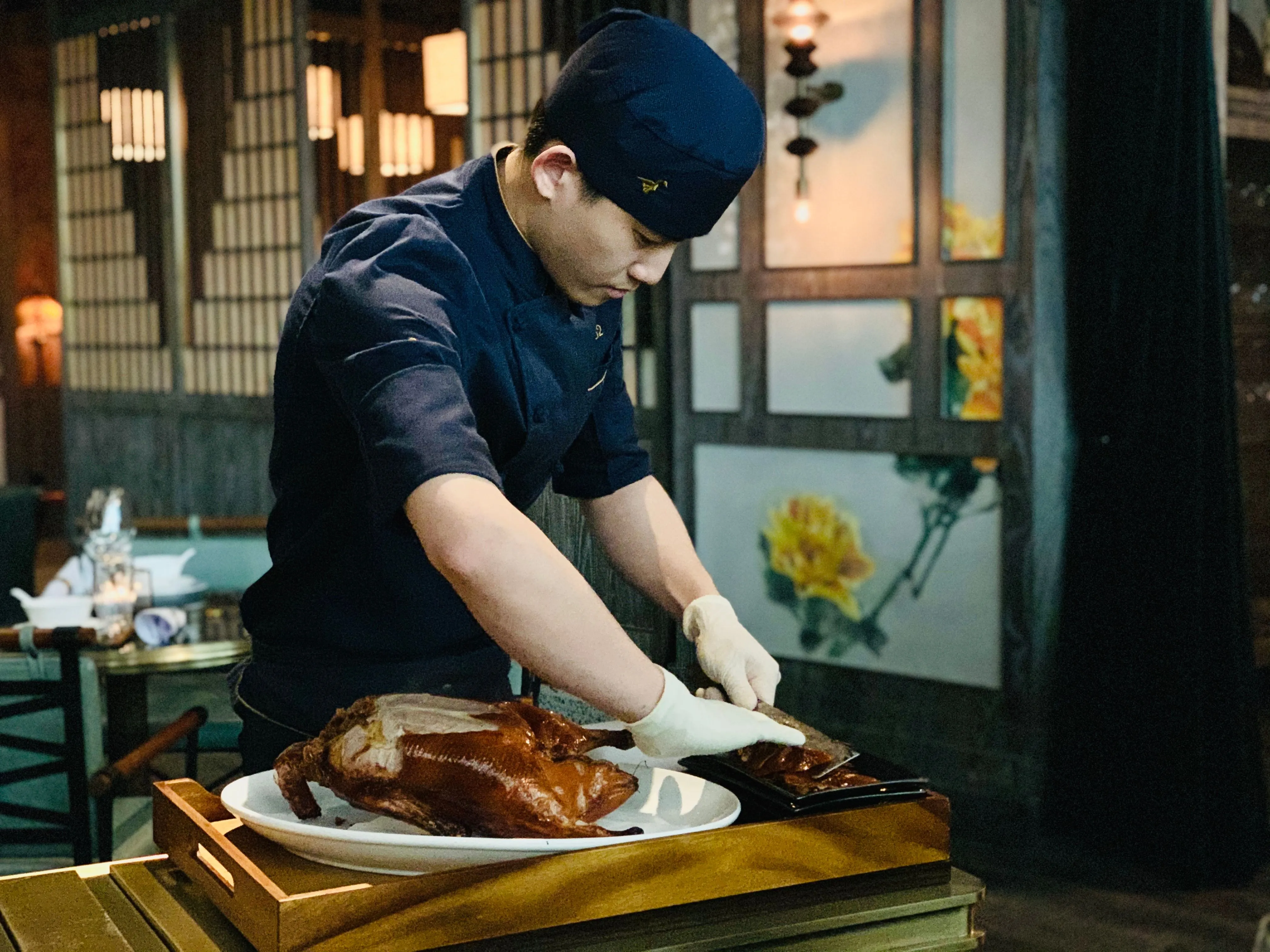
Impossibly crispy skin, tender meat, served with thin pancakes, scallions, and sweet bean sauce. This dish has been served to emperors for centuries and remains China's most iconic culinary export.
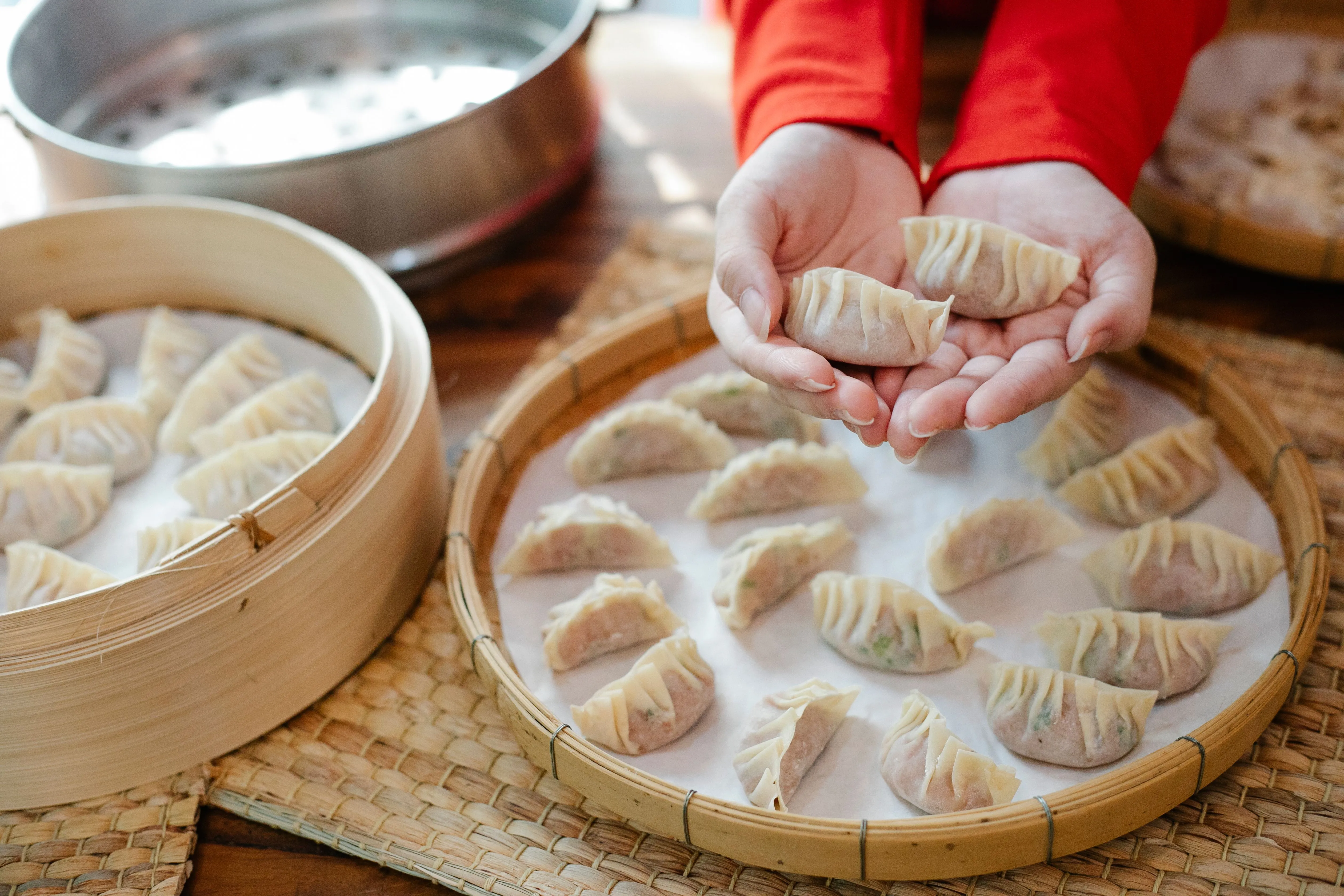
Crescent-shaped parcels of joy, filled with pork, chives, or shrimp. A symbol of prosperity and family togetherness, especially during Chinese New Year. Each region has its own fold and filling.
Understanding Chinese food culture will deepen your experience and earn you respect at the table
Never stick chopsticks upright in rice (resembles funeral incense). Don't point at people or tap bowls. When not in use, rest them on the provided holder โ never across the plate.
Tea is everywhere. A host pouring tea for you is a sign of respect. To thank someone pouring your tea, tap two fingers on the table โ a gesture originating from imperial gratefulness.
In China, the host pays the bill โ always. Fighting over the check is a beloved ritual. If a Chinese friend treats you, graciously accept and offer to treat next time.
Street food is a way of life. Night markets offer everything from grilled skewers to stinky tofu. Follow the locals โ the longest line means the best food.
Originating from Fujian and Guangdong, this meticulous tea-brewing method uses small pots and tiny cups. Each step is deliberate โ a meditative art form as much as a drink.
Ordering more than you can eat shows generosity. Taking leftovers home is perfectly acceptable and even encouraged โ the "ๆๅ " (dว bฤo) culture is strong.
The best flavors in China come from street stalls, not restaurants
China's ultimate breakfast crepe
Cumin lamb skewers with cold beer
Sweet candied hawthorn on a stick
Crispy-bottomed pan-fried dumplings
China's answer to the burger
Hand-pulled noodles, beef broth
Deep-fried, stinky, irresistible
Crispy & fluffy HK bubble waffle
Silky tofu pudding, sweet or savory
Dense pastry with lotus or egg yolk
Pick your ingredients, boil in spicy broth
Quick-boiled tripe with sesame sauce
Steamed buns with meat or veggie filling
Noodles with savory soybean paste
Let us create a culinary journey tailored to your taste buds