
Culture & Customs
Where tradition meets everyday life — discover the customs, etiquette, and fascinating traditions that define China.
Where tradition meets everyday life — discover the customs, etiquette, and fascinating traditions that define China.
Chinese culture is one of the world's oldest and most complex, shaped by over 5,000 years of history. From ancient philosophies to modern daily habits, understanding these customs will enrich your journey and help you connect with locals on a deeper level.
The fun, surprising, and sometimes puzzling aspects of Chinese life that visitors love to discover.
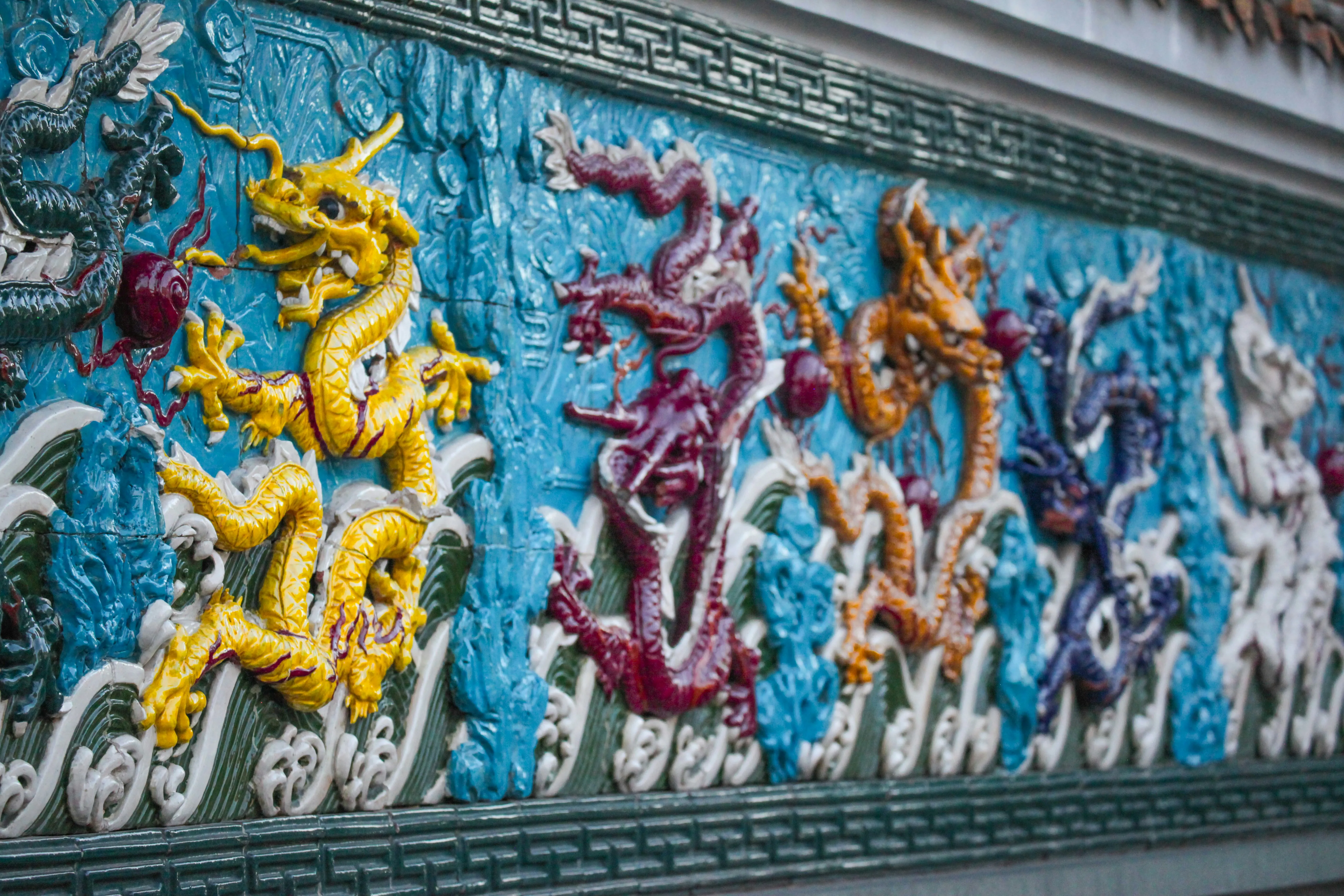
The Chinese zodiac assigns one of 12 animals to each birth year, shaping personality beliefs and compatibility. Dragons are revered as symbols of power and luck — unlike Western myths where they're often feared. Learn about the Jade Emperor, the Monkey King, and why the rabbit outsmarted the ox.
Myths & Legends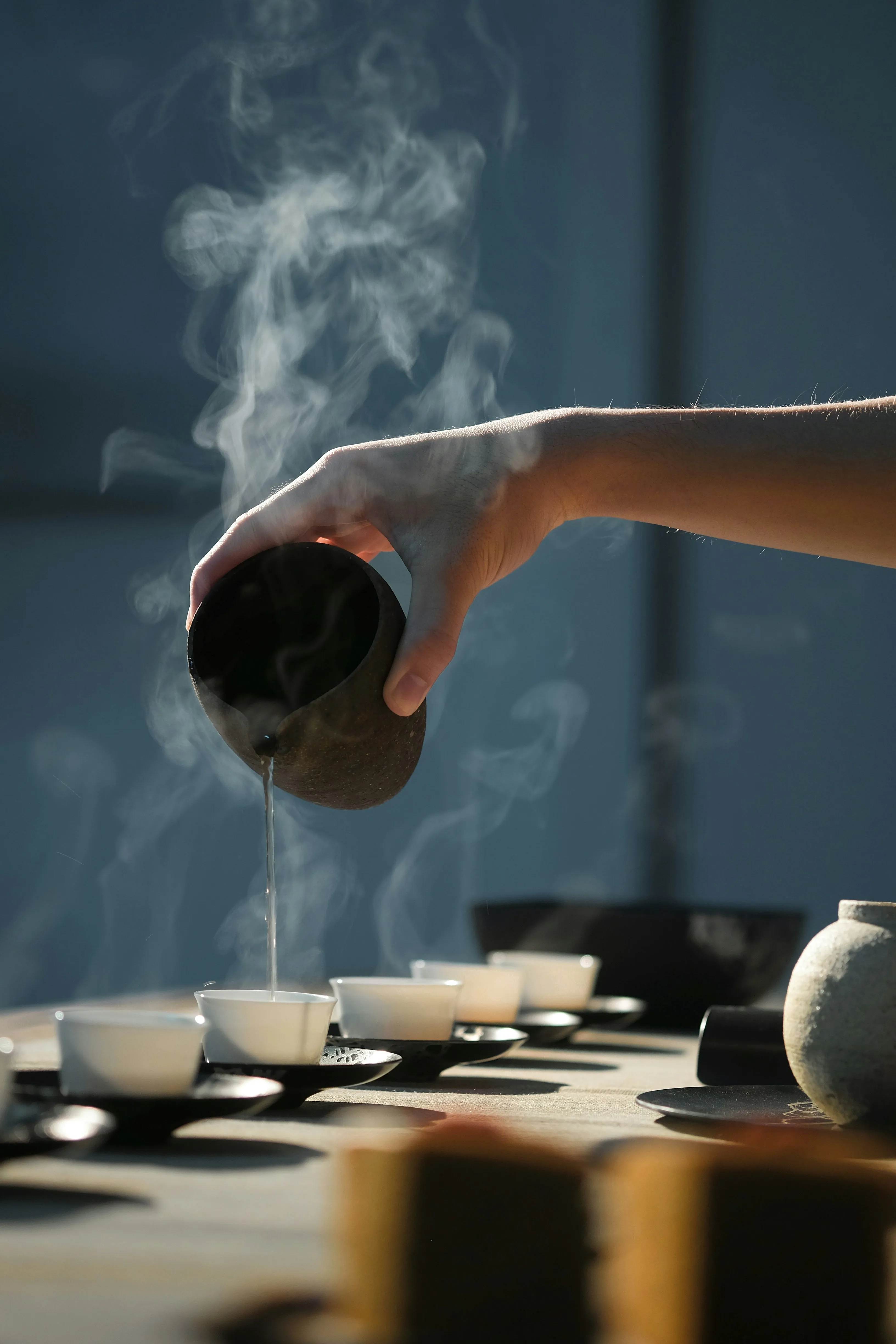
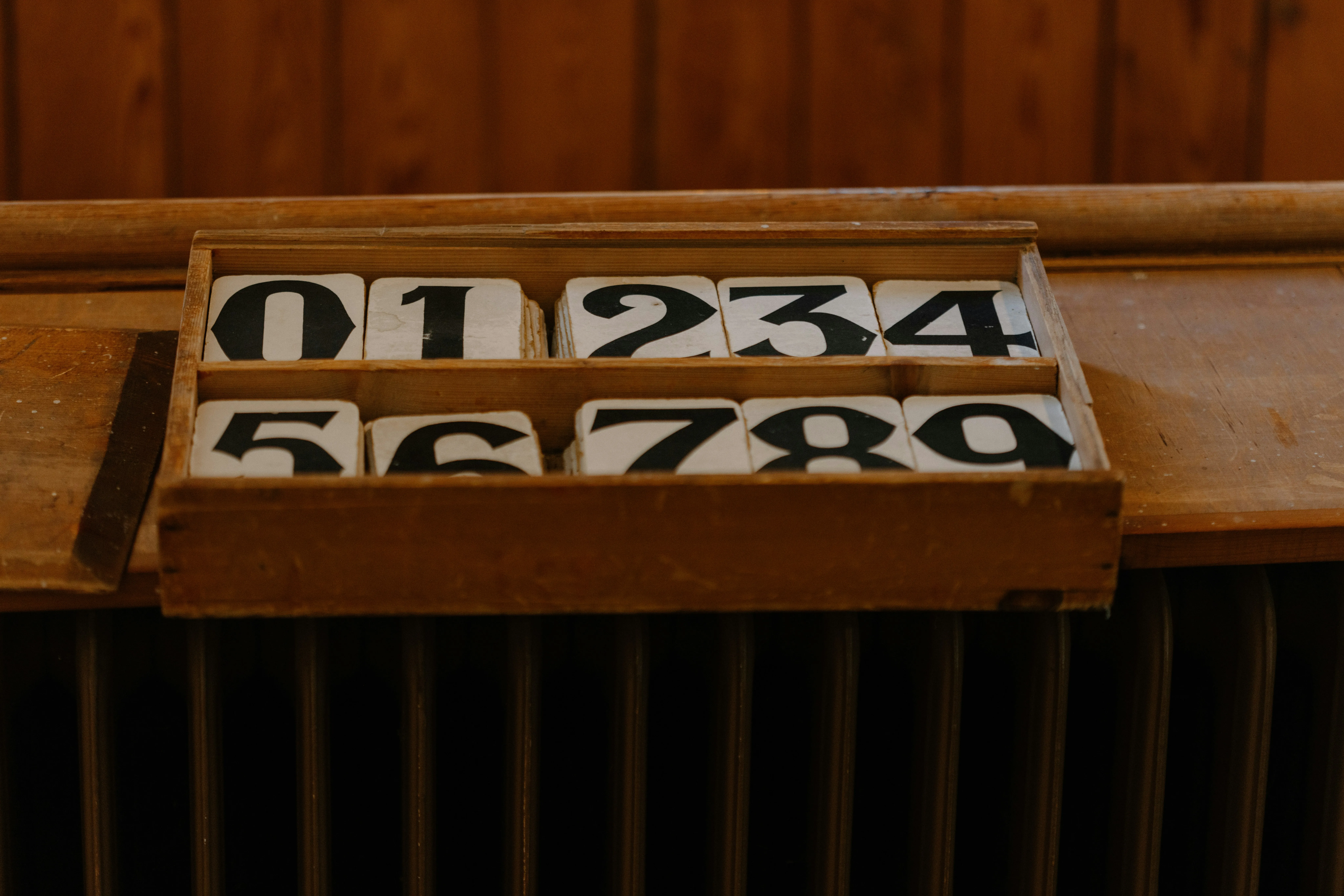
Number 8 is the luckiest (sounds like "prosper"), while 4 is avoided (sounds like "death"). Red brings good fortune, white is for mourning. Never gift a clock (sounds like "attending a funeral" in Chinese), cutlery implies separation, and umbrellas mean "falling apart."
Superstitions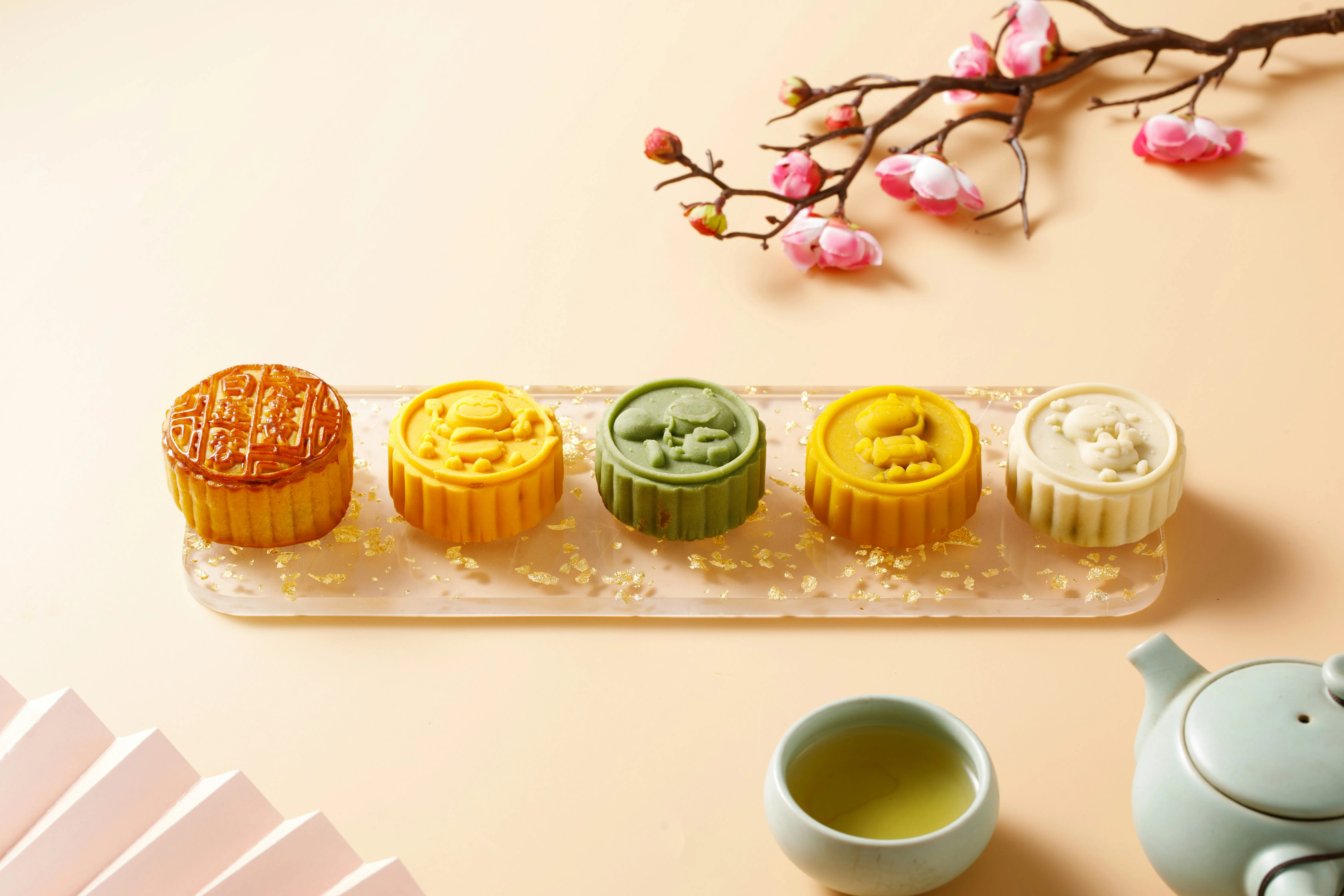
Mahjong isn't just a game — it's a social ritual that brings families and neighbors together. Square dancing fills parks every evening. Tea houses are the living rooms of communities. And hot pot dinners can last for hours, with endless conversation and refills.
Lifestyle
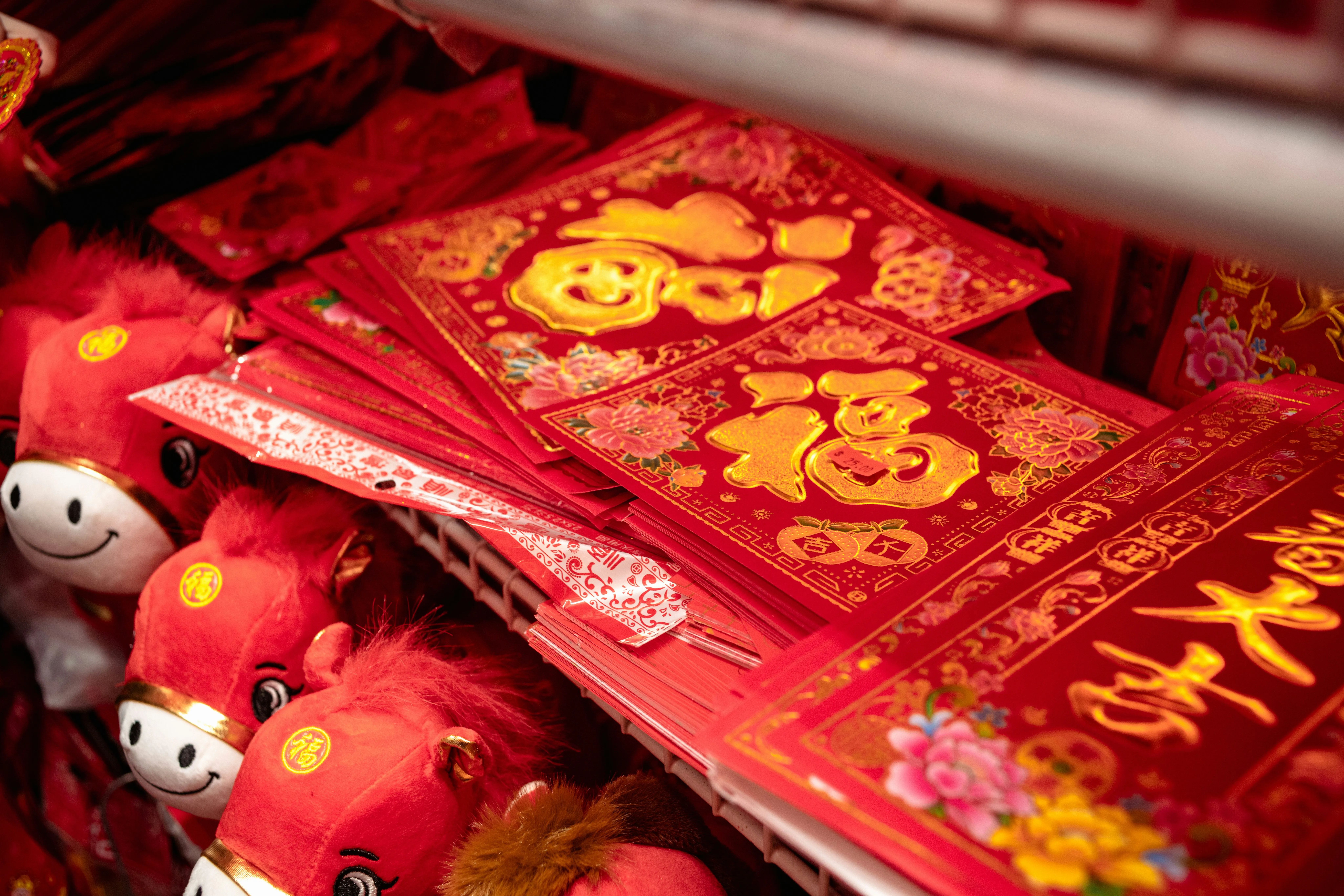
Spring Festival (Chinese New Year) is the world's largest annual migration. Red envelopes carry wishes for prosperity. Dragon boat races, moon-gazing during Mid-Autumn Festival, and lantern-lit nights make every season a celebration.
CelebrationsPractical traditions you'll encounter — and participate in — during your visit.
Tea is more than a drink — it's a philosophy. The Chinese tea ceremony (功夫茶) is a meditative art of preparation and presentation. Each tea type has its own temperature, steeping time, and vessel. When someone pours for you, tap two fingers on the table as a silent "thank you."
Gift-giving is an art in China. Always present and receive gifts with both hands. Avoid clocks, umbrellas, and sharp objects. Red and gold wrapping signals good fortune. And don't be offended if your gift is politely refused once or twice — it's customary to decline before accepting.
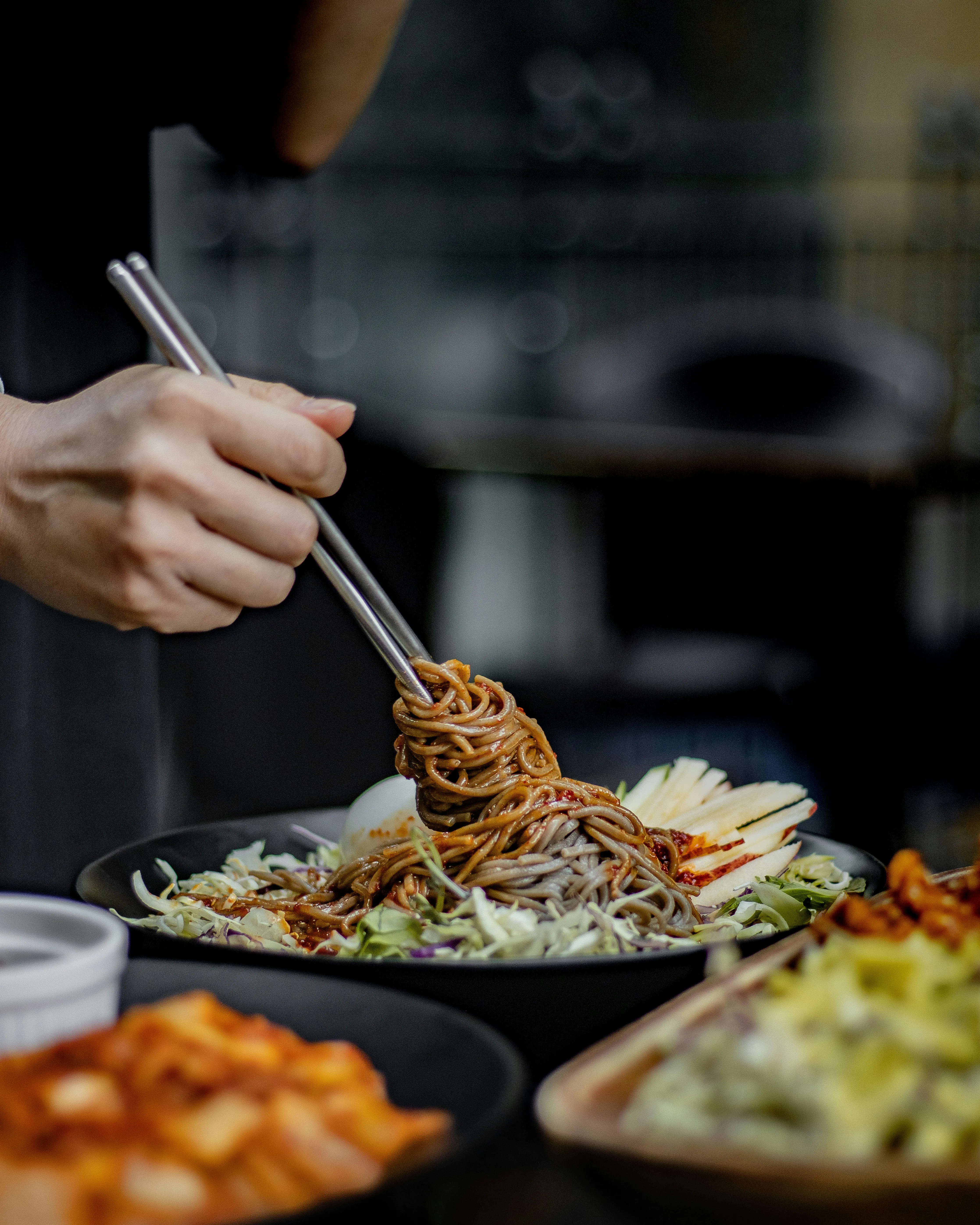
In China, the host orders for everyone and food is shared family-style. The honored guest sits facing the door. Never stick chopsticks upright in rice (resembles incense for the dead). And when clinking glasses, the junior person should clink lower as a sign of respect.
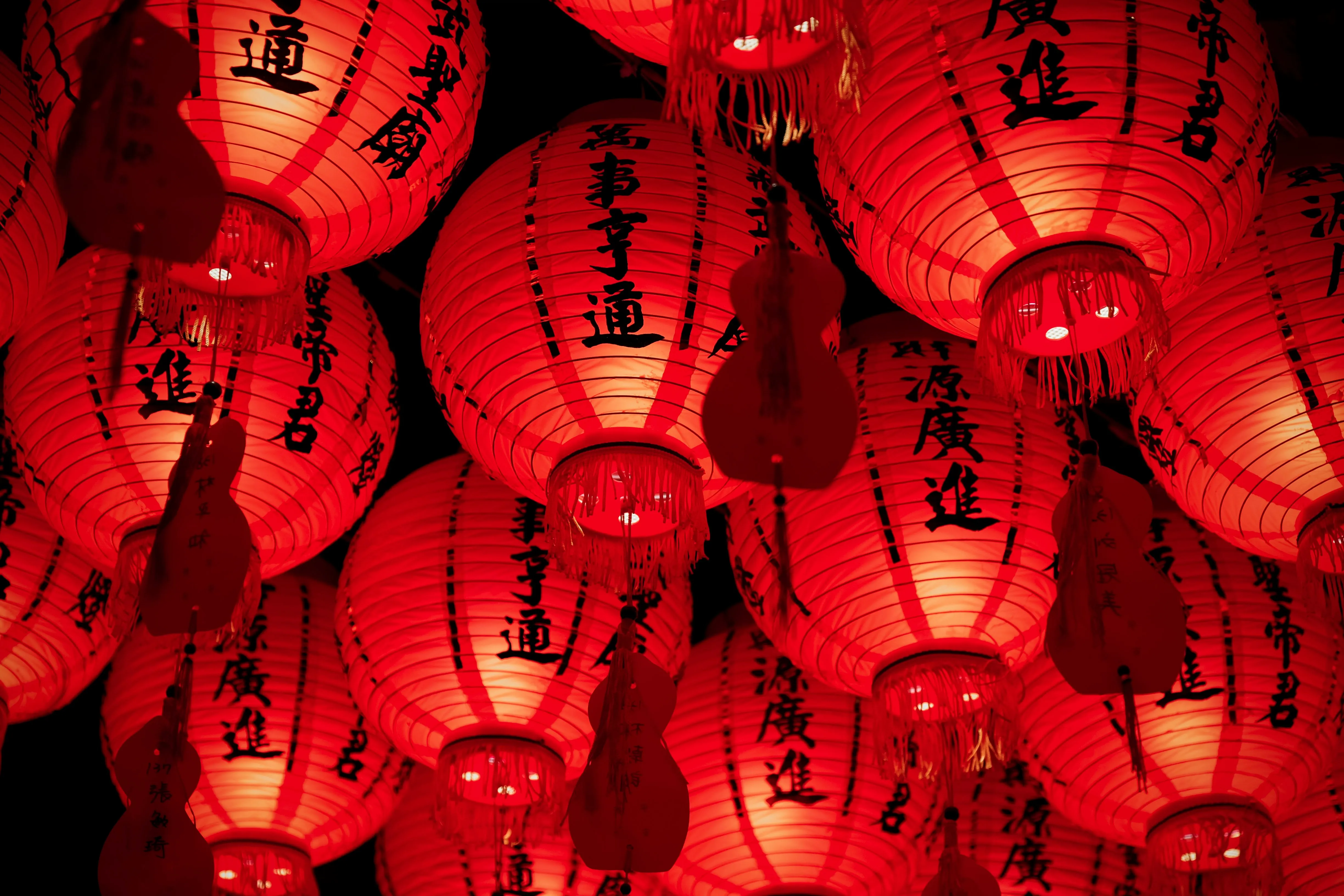
Red dominates Chinese culture. It symbolizes luck, joy, and prosperity. You'll see it everywhere during festivals — lanterns, couplets, envelopes. Brides wear red. New Year decorations are red. Even the national flag features red prominently. It's the ultimate color of celebration.
Quick reference for navigating Chinese social situations with confidence.
Centuries-old art forms that continue to thrive in modern China.
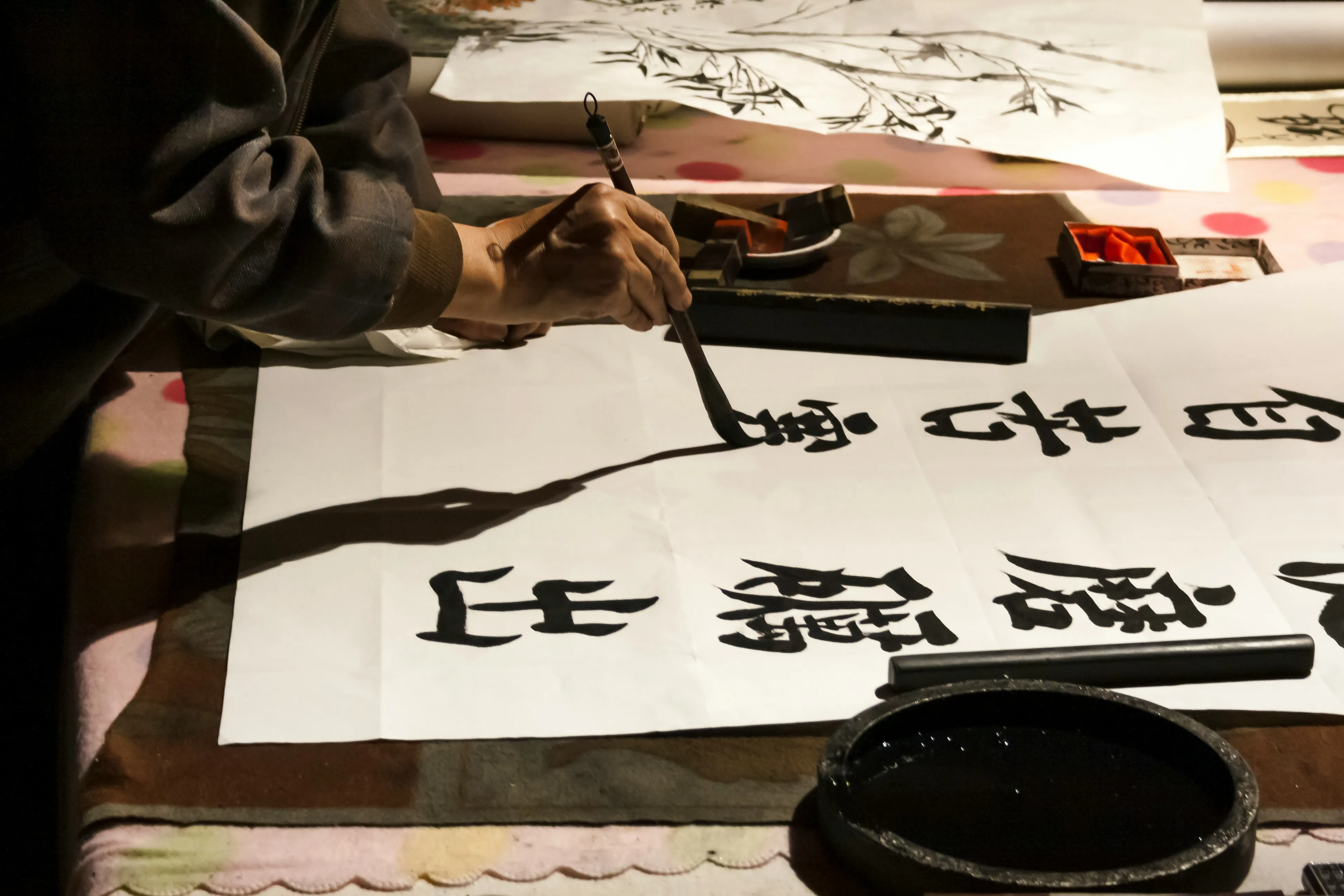
The ancient art of brush writing, where every stroke carries meaning and meditation.
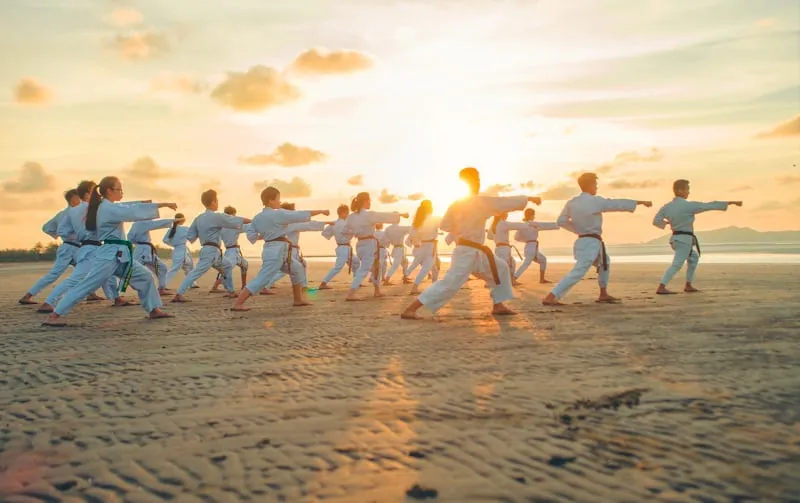
Flowing martial art practiced in parks every morning — part exercise, part philosophy.
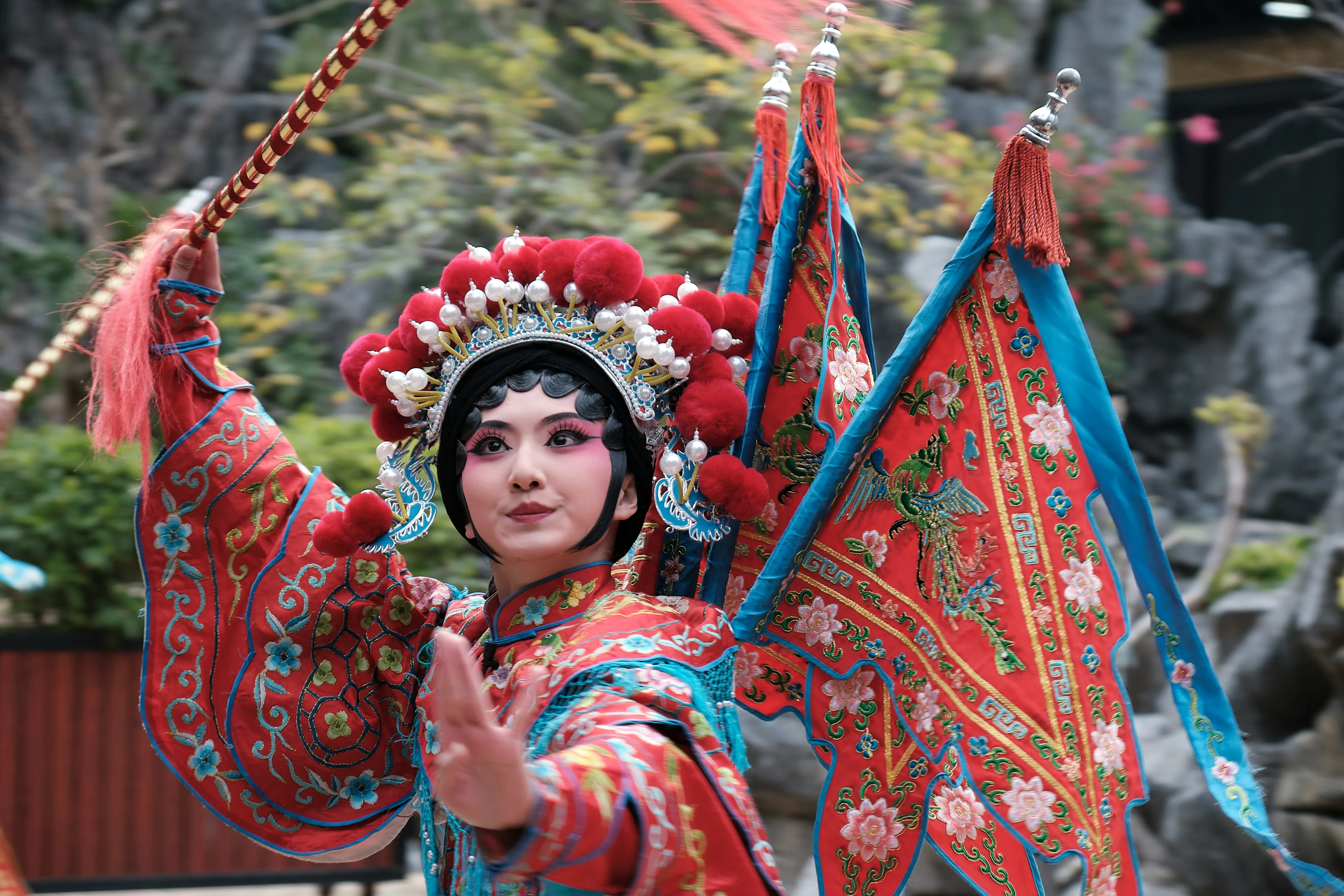
A 200-year tradition combining music, vocal performance, mime, and acrobatics.
Intricate designs cut from red paper, adorning windows during festivals and celebrations.
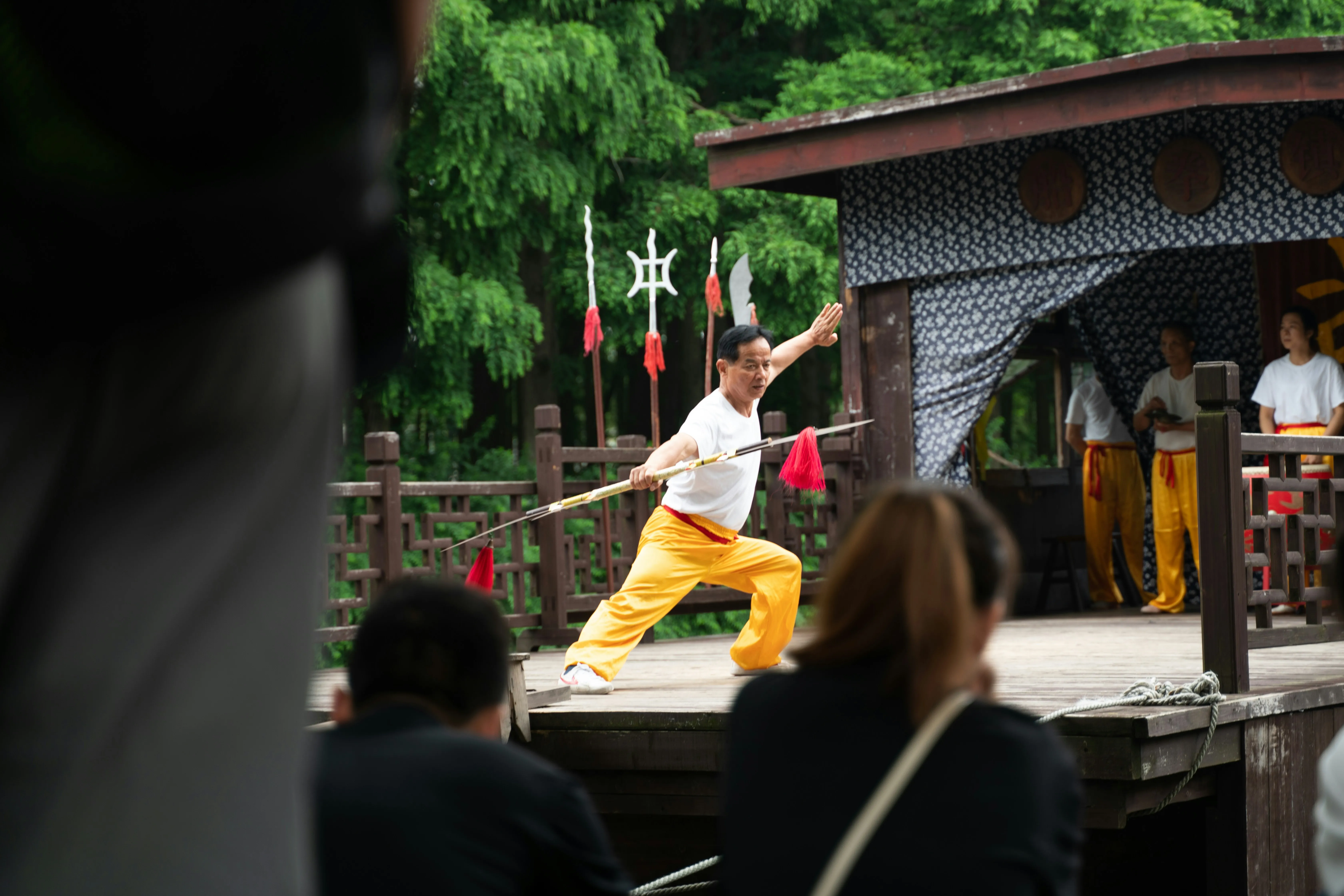
From Shaolin Kung Fu to Wing Chun — disciplines that shaped Chinese warrior culture.
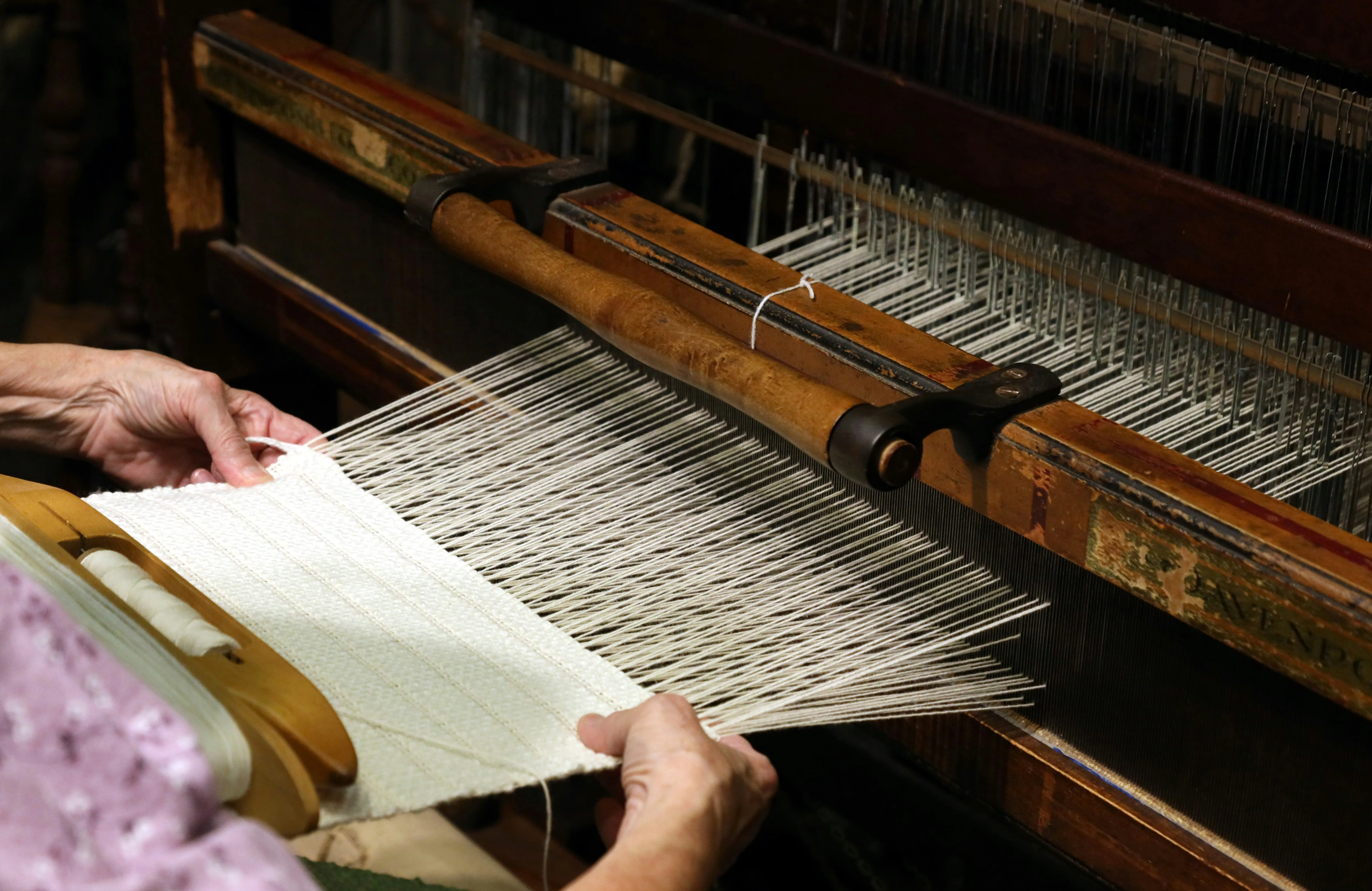
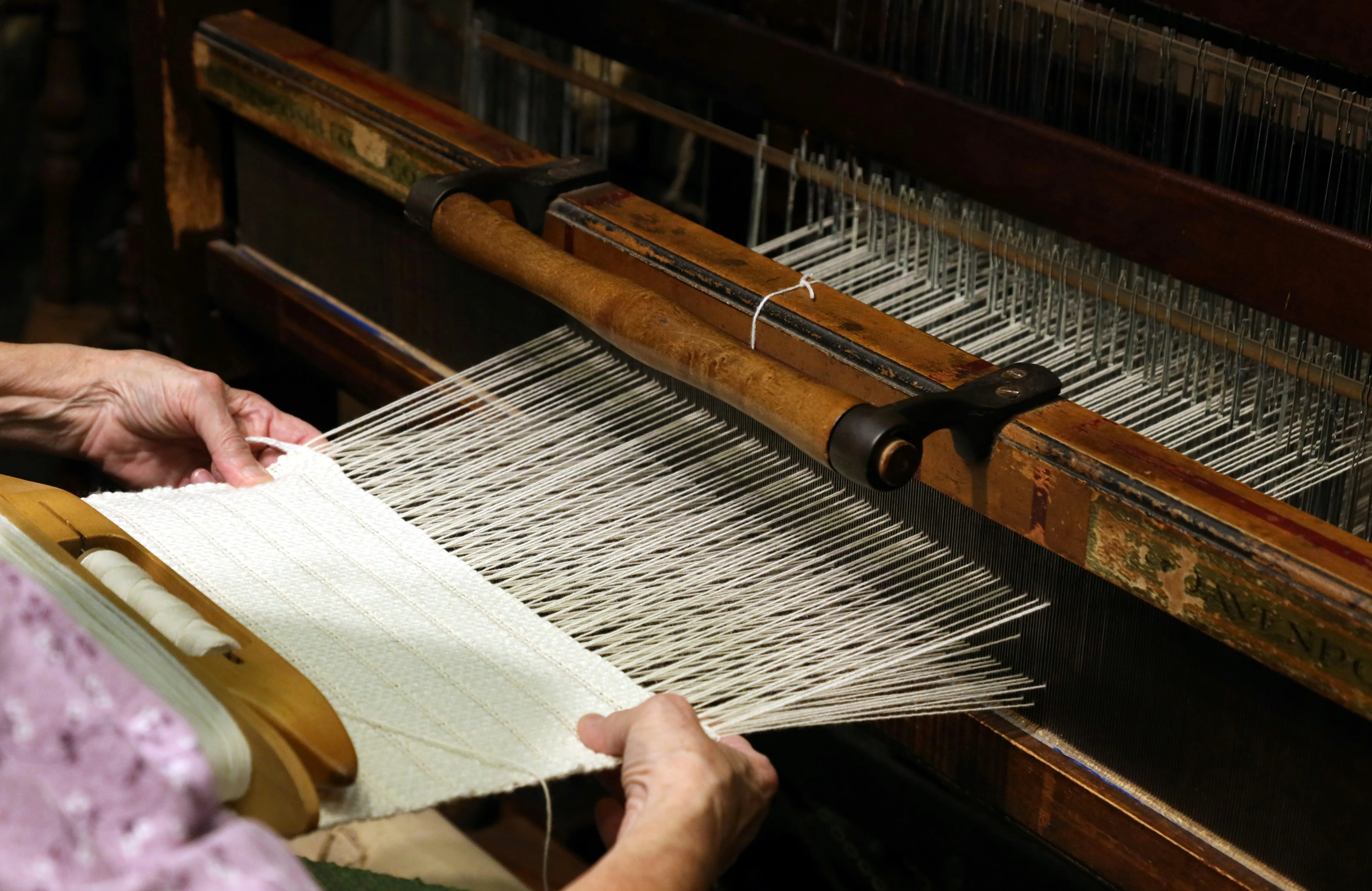
A 5,000-year-old craft that once rivaled gold in value along the Silk Road.
The best way to understand Chinese culture is to live it. Join our guided tours and immerse yourself in centuries-old traditions.