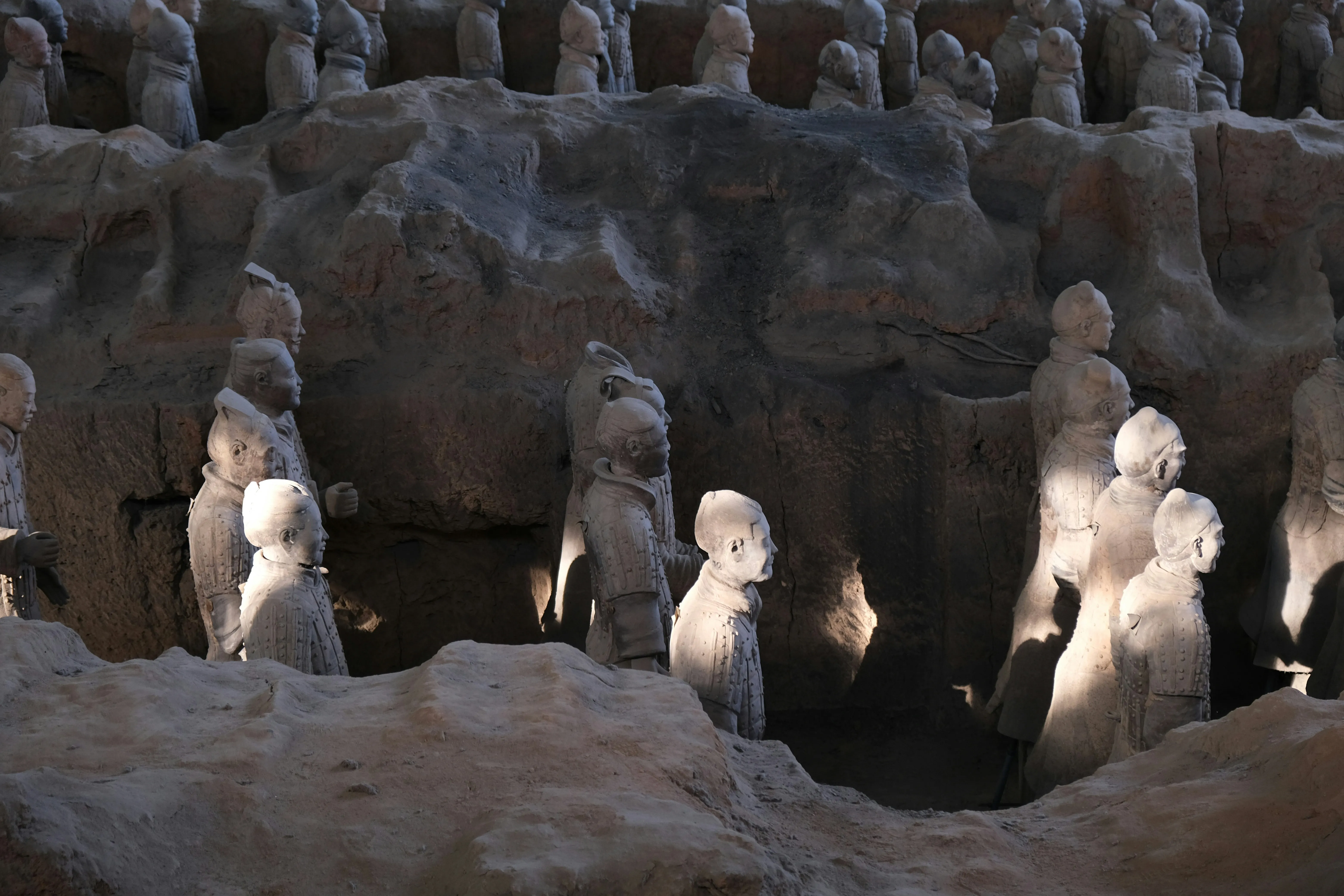
History of China
5,000 years of empires, inventions, and transformations that shaped the world we live in today.
5,000 years of empires, inventions, and transformations that shaped the world we live in today.
China's history is the longest of any major civilization. From the first unified empire to the modern superpower, each era left behind marvels that you can still visit today. Walk through time with us.
The major eras that defined Chinese civilization.
First unified empire. Standardized writing, currency, and measurements. Built the first Great Wall.
UnificationOpened the Silk Road. Invented paper. Confucianism became state philosophy. A golden age of innovation.
Silk RoadCultural peak of Chinese civilization. Poetry, art, and trade flourished. Chang'an was the world's largest city.
Golden AgeInvented gunpowder, compass, and printing. Economic revolution. The most technologically advanced era.
InnovationMongol rule under Kublai Khan. Connected East and West. Marco Polo visited and marvelled at China's wealth.
Mongol EraBuilt the Forbidden City and the Great Wall as we know it. Zheng He's treasure voyages reached Africa.
ExplorationLast imperial dynasty. Expanded territory to its largest. Ended with the fall of the empire in 1912.
Last EmpireRepublic, revolution, reform. From poverty to the world's second-largest economy in just decades.
New EraThe powers that shaped China's landscape, culture, and identity.
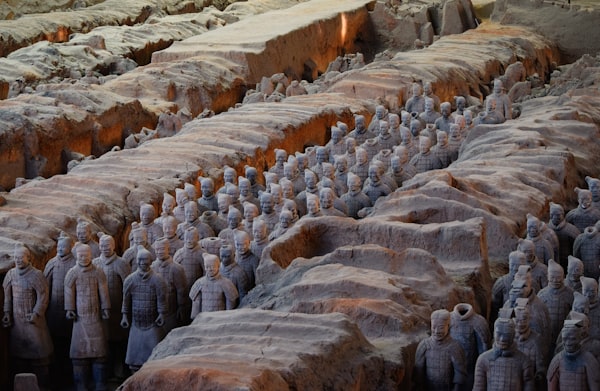 221–206 BC
Emperor Qin Shi Huang unified China, standardized writing, and began the Great Wall. His Terracotta Army guards his tomb to this day.
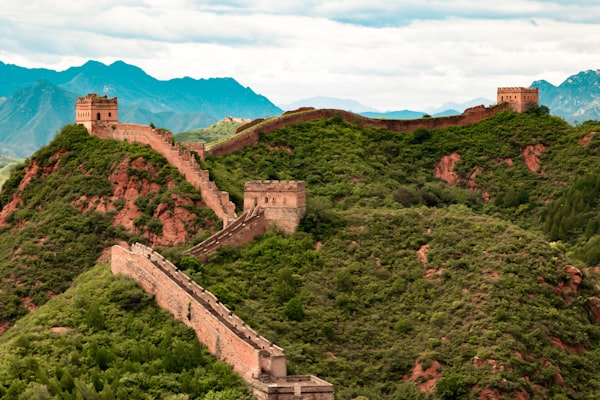 206 BC–220 AD
Opened trade routes to Rome. Invented paper and the seismograph. So influential that ethnic Chinese still call themselves "Han people."
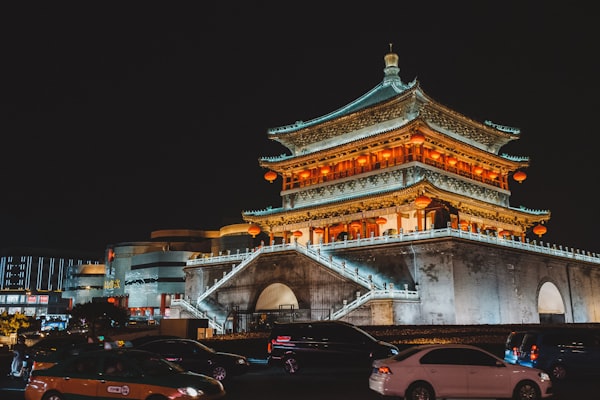 618–907 AD
Poetry, art, and cosmopolitan culture peaked. Chang'an (Xi'an) was the world's most diverse city with 25,000 foreign residents.
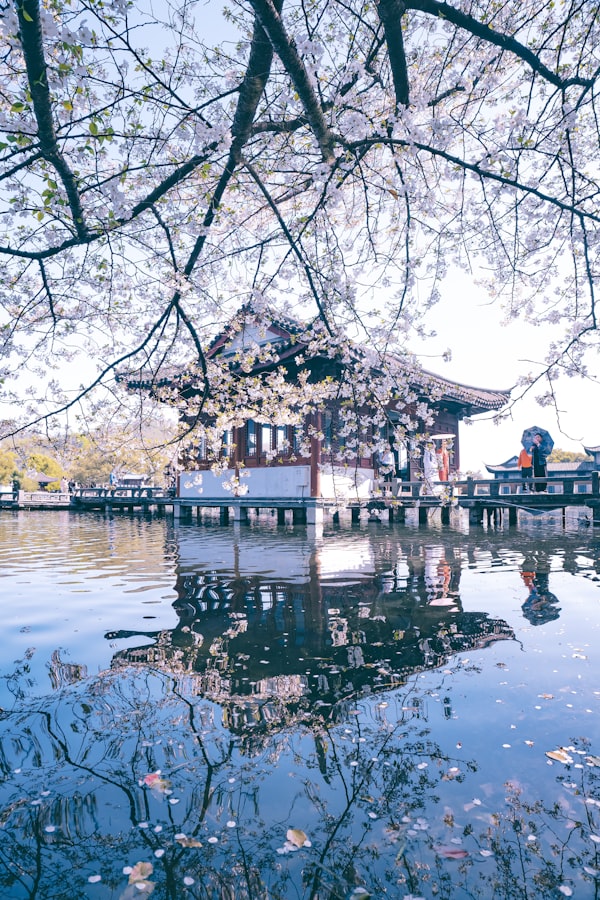 960–1279 AD
Gunpowder, compass, and movable type printing were developed. The world's first paper money. A thriving merchant economy.
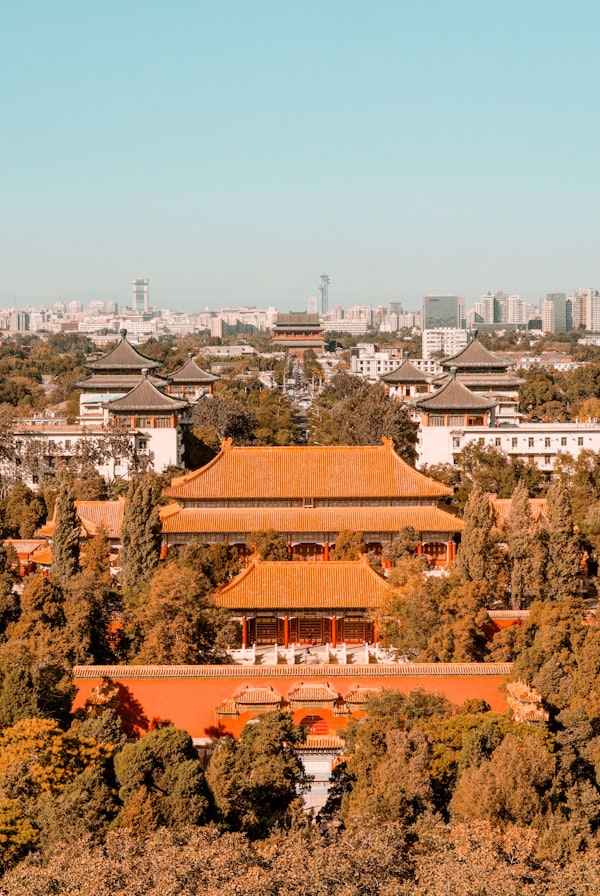 1368–1644 AD
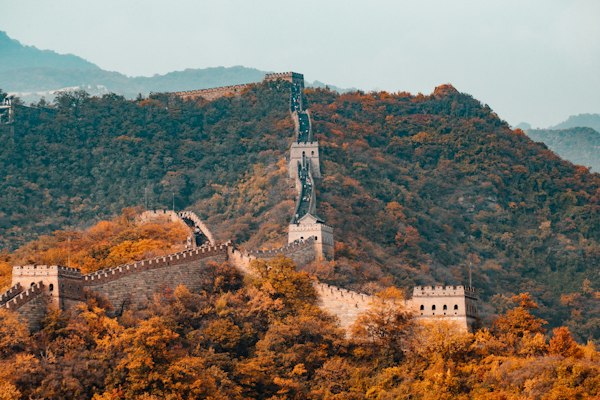
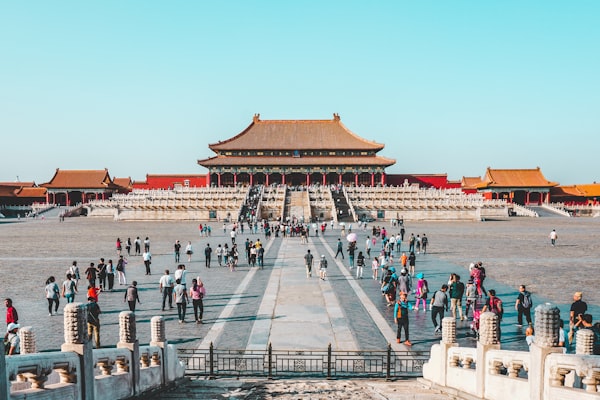
Built the Forbidden City and rebuilt the Great Wall. Admiral Zheng He's fleet sailed to Africa — 80 years before Columbus.
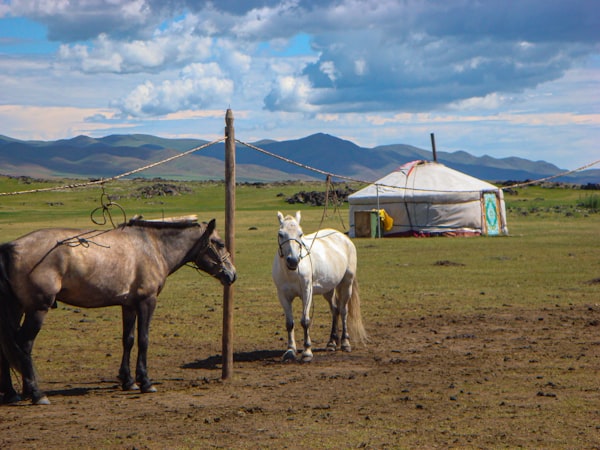 1271–1368 AD
Founded by Kublai Khan, grandson of Genghis Khan. Connected East and West through the Pax Mongolica. Marco Polo visited during this era.
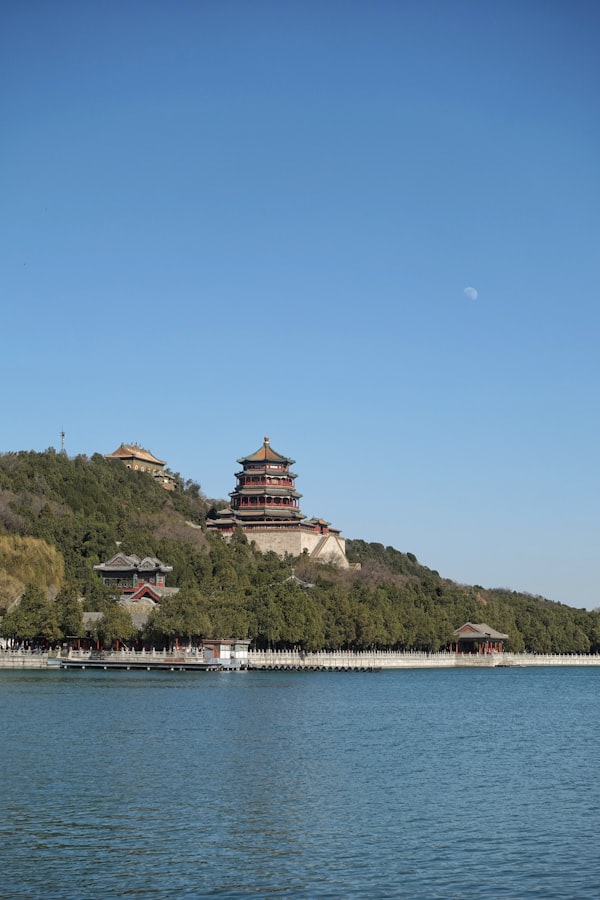 1644–1912 AD
Expanded territory to its greatest extent. The Summer Palace and many Beijing landmarks were built. Ended with the 1911 Revolution.
 1912–Present
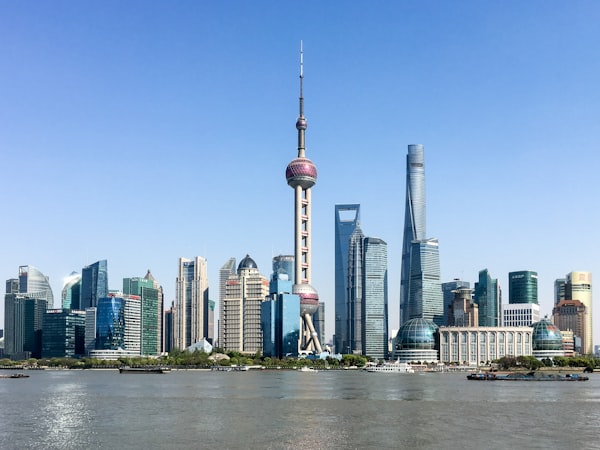
From the fall of the empire through revolution, reform, and opening up. China's economic miracle transformed it into the world's second-largest economy.
Visionaries, warriors, and philosophers whose influence spans millennia.
Philosopher whose teachings on morality, family, and governance shaped Chinese society for 2,500 years.
First Emperor of unified China. Standardized weights, measures, and writing. Built the Great Wall.
Admiral who led seven epic voyages across the Indian Ocean, reaching Africa decades before European explorers.
China's only female emperor. Ruled the Tang Dynasty during its cultural and military peak.
Military strategist whose "Art of War" is still studied in business schools and military academies worldwide.
Founder of Taoism. His "Tao Te Ching" is one of the most translated books in world literature.
Legendary strategist of the Three Kingdoms. His intelligence and loyalty made him a symbol of wisdom in Chinese culture.
Greatest poet of the Tang Dynasty. His romantic, free-spirited verse captured the imagination of the golden age.
Invented paper as we know it. His innovation revolutionized communication and knowledge sharing across the world.
Founded the Yuan Dynasty. United China under Mongol rule and hosted Marco Polo at his court in Beijing.
The most powerful woman in Chinese history. Ruled behind the throne for nearly half a century during a turbulent era.
Venetian merchant who spent 24 years in China. His book introduced the East to Europe and inspired explorers like Columbus.
These sites aren't just museums — they're time machines waiting for you.


The best way to learn history is to stand where it happened. Join our guided tours and step into the stories.